Kyoto food tours split into two kinds of day: a morning graze through the 390-metre Nishiki arcade, or an evening of izakaya counters and Fushimi sake in Gion. Both are laid out here with real prices, ratings and free cancellation.
A guided food tour in Kyoto costs $22 to $70 (about ¥3,500 to ¥11,100) and buys you the part of the city that has no English menu: unmarked izakaya counters, family stalls in the Nishiki arcade, and someone to tell you what is in the bowl. Market walks graze by day, evening routes replace dinner outright.
Key takeaways
Evening routes serve up to 13 dishes with Fushimi sake and run $70 (about ¥11,100); the best-reviewed of them sits at 4.9 stars across 477 reviews (see the night route).
Daytime market walks start at $41 (about ¥6,500) and cover roughly seven tastings along the arcade (market and food hall walk).
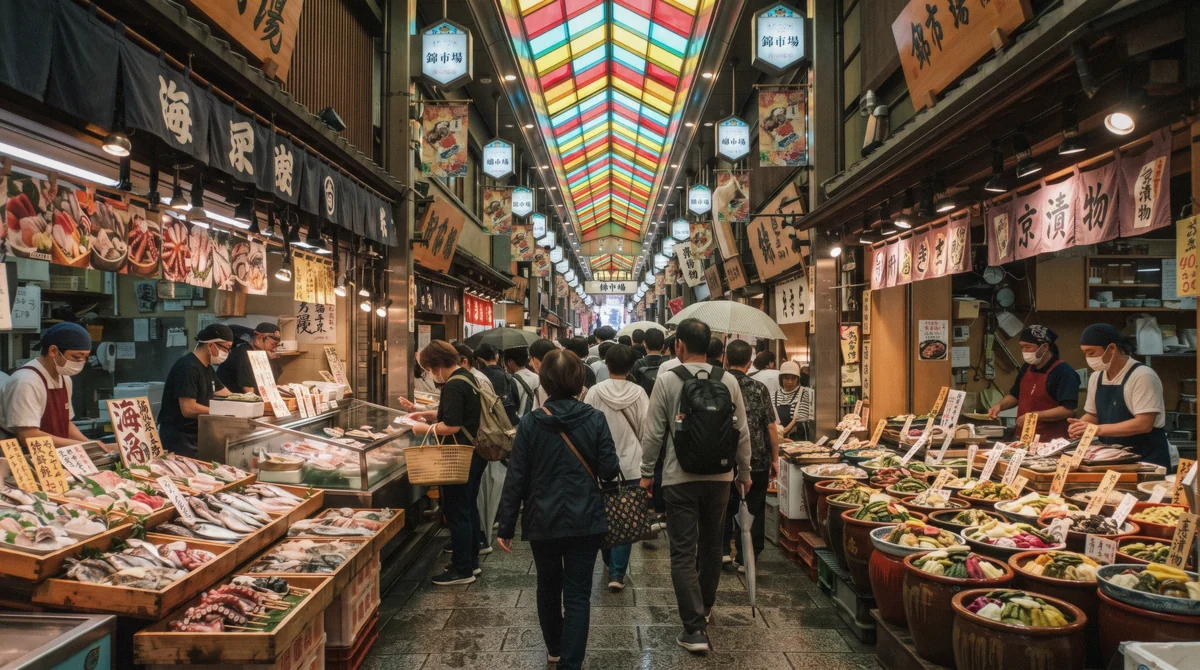
Nishiki Market is a 390-metre roofed arcade with no market-wide closing day, though many shops shut on Wednesdays. Read the full Nishiki Market guide before you go.
The market association asks visitors not to eat while walking; buy the bite, step aside, finish it, then move on.
Tipping is not customary in Japan. Kyoto's own visitor guidance suggests saying okini instead.
Vegetarian, vegan and halal travellers should read what dashi does to a menu before booking anything.
Tastings included on every tour
English-speaking local guides
Free cancellation 24 hrs before
Instant confirmation
390 mNishiki Market's covered arcade
100+Food stalls and shops in the market
13Dishes on one evening in Gion
$22Experiences from, per person
Best Seller — 477 reviews, 4.9★
Kyoto's Most-Booked Night Food Tour
Gion & Pontocho Night Food Tour with 13 Dishes
★★★★★★★★★★4.9(477 reviews)
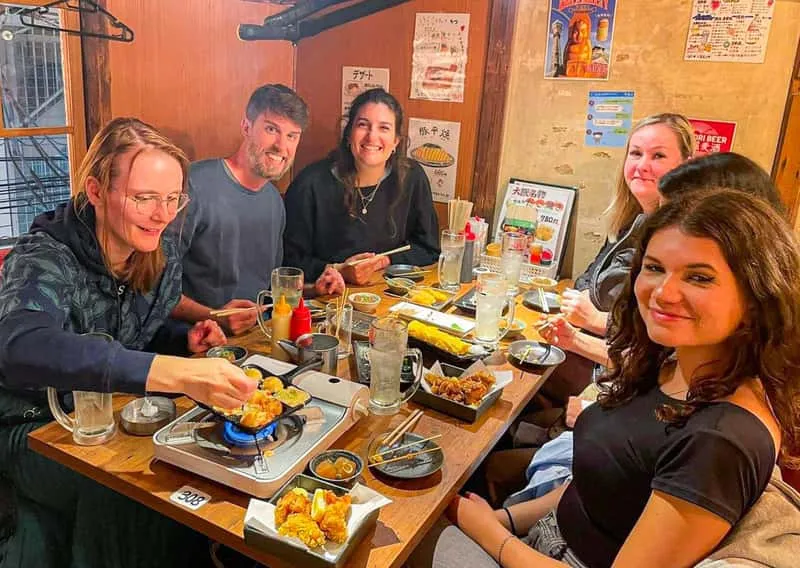
A small-group evening tour through Gion and Pontocho with up to 13 dishes — karaage, tempura, sashimi — paired with Kyoto sake. Start at the illuminated Yasaka Shrine, wind through the scenic Gion Shirakawa canal district, and finish at a hidden Pontocho dining spot.
Duration
3 hours across Gion and Pontocho
Best Time
Evening departures — Yasaka Shrine lit up and the izakaya at full hum
Price Range
From $70 per person, up to 13 dishes with Kyoto sake
Compare the Best Food Tours in Kyoto — Market Walks, Tastings & Night Eats
These Kyoto food tours cover every way to eat the city: daytime walking tours grazing through Nishiki Market's food stalls, evening izakaya crawls through the geisha districts, a depachika food hall walk for short stays, and a hands-on replica food workshop that sends you home with a wax tempura souvenir. Prices are per person.
from $70Gion Classic 4.8★
Gion Evening Food Tour — 13 Dishes at 4 Local Eateries
★★★★★★★★★★4.8(189 reviews)· 3 hours
An immersive evening walk through Gion, Kyoto's most famous geisha district. Follow cobblestone lanes lined with wooden machiya houses and work through 13 dishes across 4 local eateries…
13 tastings across 4 eateries locals actually use
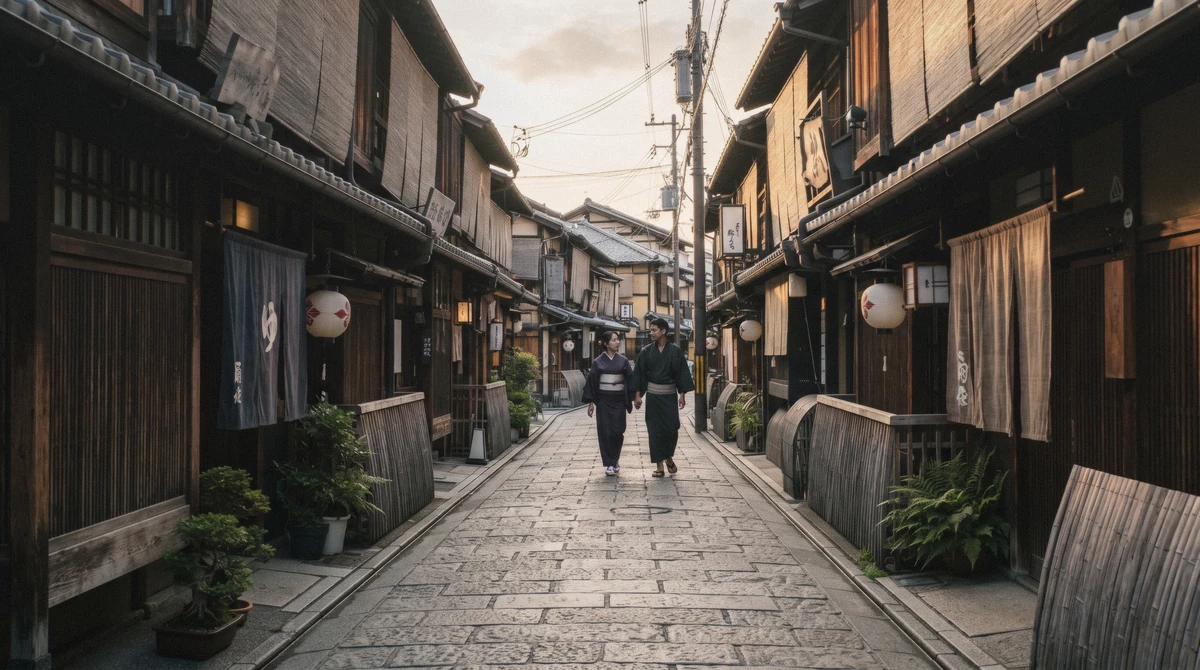
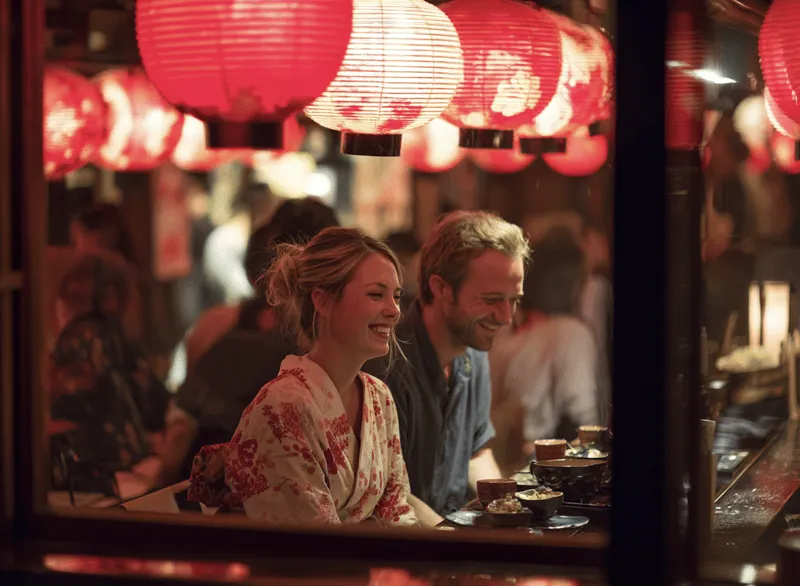
Evening stroll through Gion's lantern-lit machiya lanes
Geisha culture and history told street by street
Mix of long-standing institutions and modern favorites off the tourist path
A three-hour walking tour that pairs Gion's stone-paved streets with Nishiki Market, the centuries-old "Kitchen of Kyoto". Stop at Nishiki Tenmangu Shrine, then graze through 7 tastings among…
7 tastings of local delicacies inside Nishiki Market
Walk Gion's machiya streets before diving into the market
Nishiki Tenmangu Shrine and the market's Edo-period history
Yuba, Kyoto vegetables and matcha — the ingredients behind Kyoto cuisine
A small-group evening tour through Gion and Pontocho with up to 13 dishes — karaage, tempura, sashimi — paired with Kyoto sake. Start at the illuminated Yasaka Shrine…
Up to 13 dishes from izakaya plates to sashimi, with Kyoto sake
Yasaka Shrine illuminated at night to open the evening
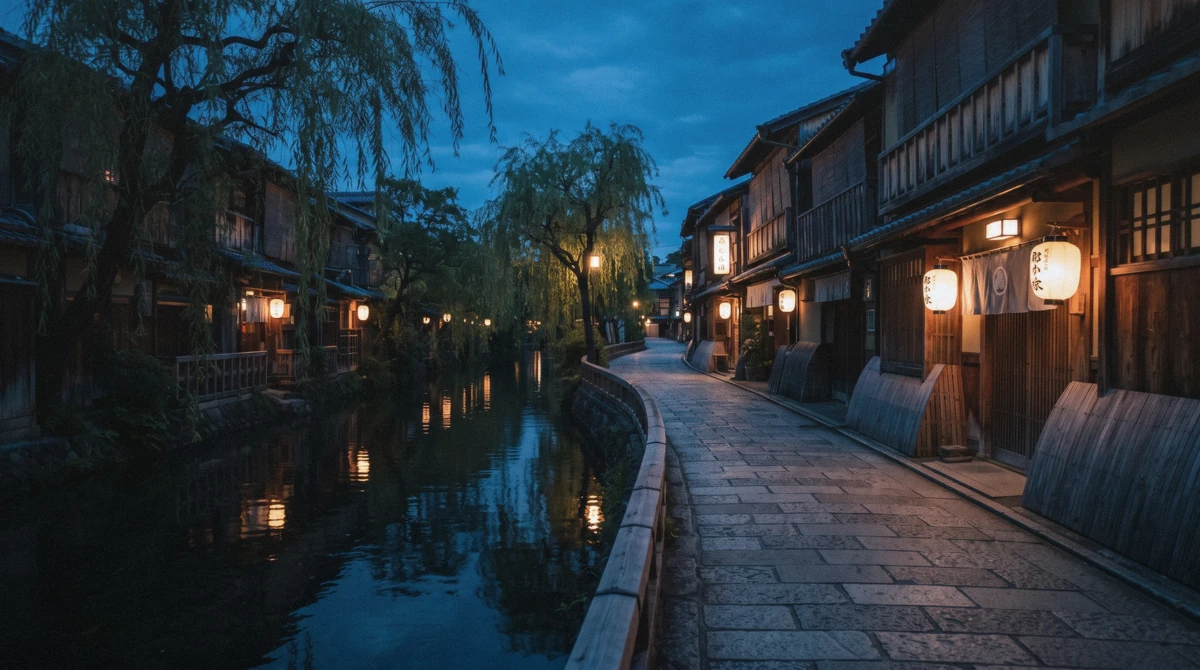
Gion Shirakawa stroll past tea houses geishas still visit
Finish in Pontocho Alley at a hidden local dining spot
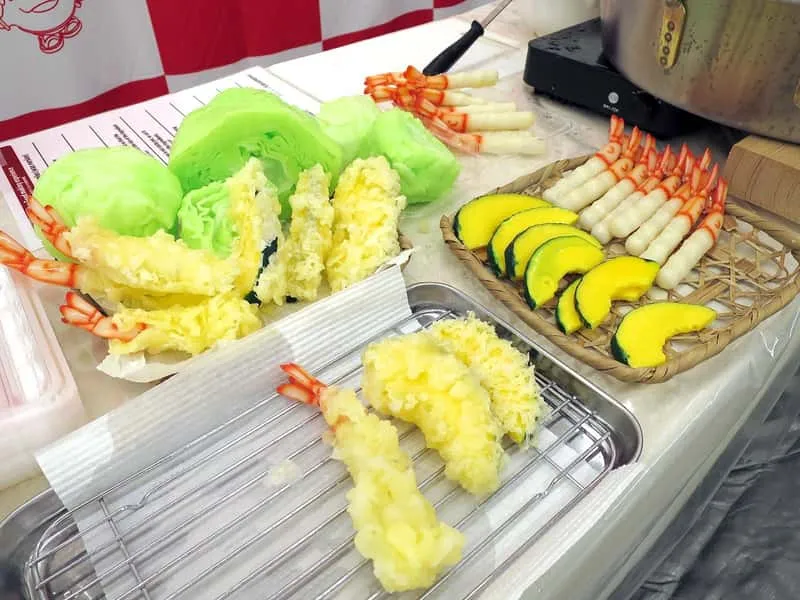
A one-hour hands-on workshop making Japan's famous replica food — the lifelike wax dishes displayed outside restaurants across the country. Shape shrimp and pumpkin tempura from melted wax…
The only place in Kyoto to craft your own replica food
Shape shrimp and pumpkin tempura from melted wax by hand
Learn the story behind Japan's restaurant "sample" culture
Take home your replica packaged like a supermarket item
Nishiki Market Tour with a Local Foodie & Tastings
★★★★★★★★★★4.5(82 reviews)· 1.5 hours
A compact 90-minute Nishiki Market tour led by a local foodie. Start at Nishiki Tenmangu, the shrine of learning, browse the lively Teramachi shopping arcade, then work through…
Tastings hand-picked by a local foodie to match your palate
Nishiki Tenmangu Shrine and the Teramachi arcade included
390 meters of stalls — fresh seafood, snacks and sweets
Compact 90-minute format that fits a busy Kyoto day
A two-hour walking tour combining Nishiki Market with a depachika — the dazzling gourmet food hall in a department store basement. Multiple daily start times and same-day booking…
Nishiki Market and a depachika food hall in one walk
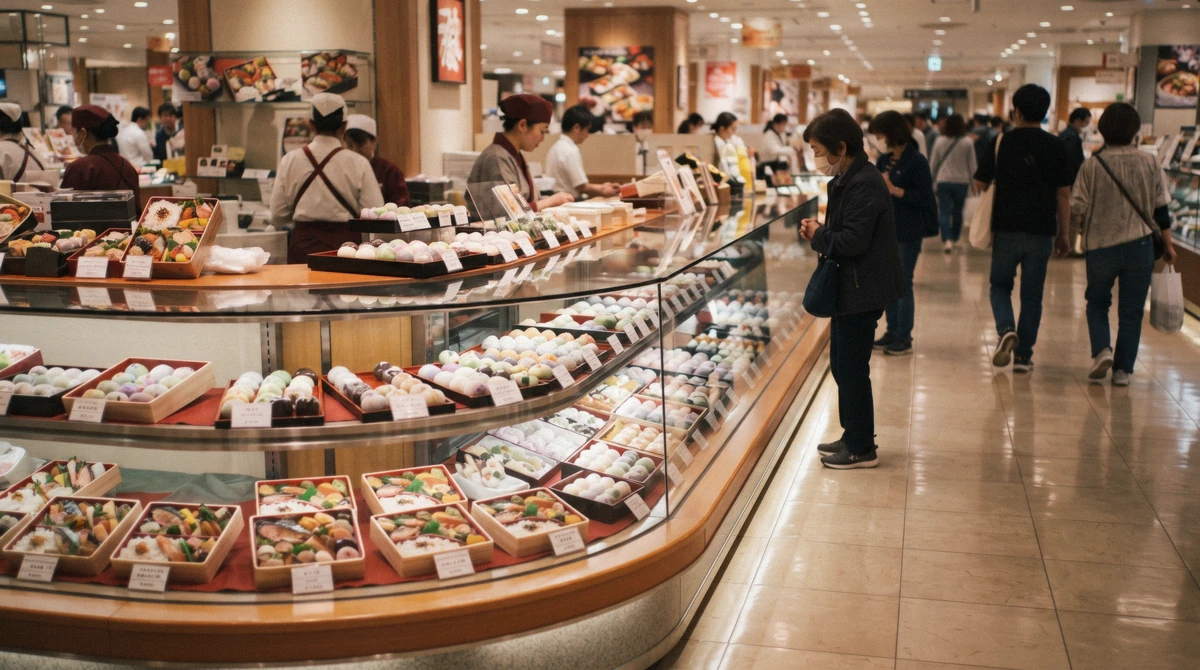
Depachika basement counters — wagashi sweets to gourmet deli
Ends at Nishiki Tenmangu Shrine, the market's hidden gem
Multiple start times with same-day booking available
Found your tour? Evening food walks run small groups with a handful of seats per night — the Gion & Pontocho tour books out days ahead in cherry-blossom and autumn-leaf season.
Free cancellation up to 24 hours before most departures.
390 mNishiki Market arcade"Kyoto's Kitchen" — one covered street of pure food
100+Shops and stallsMany run by the same family for generations
400+ yrsMarket historyLicensed as a fish market in the Edo period
5Geisha districtsGion and Pontocho host the evening food walks
FushimiKyoto's sake districtOne of Japan's three great brewing regions; its sake is poured at the izakaya stops
Heian eraWhere Kyoto cooking startsThe city's kitchens grew out of the imperial court and, later, the tea ceremony
Complete Guide to Food Tours in Kyoto
Nishiki Market — Kyoto's 400-Year-Old Kitchen
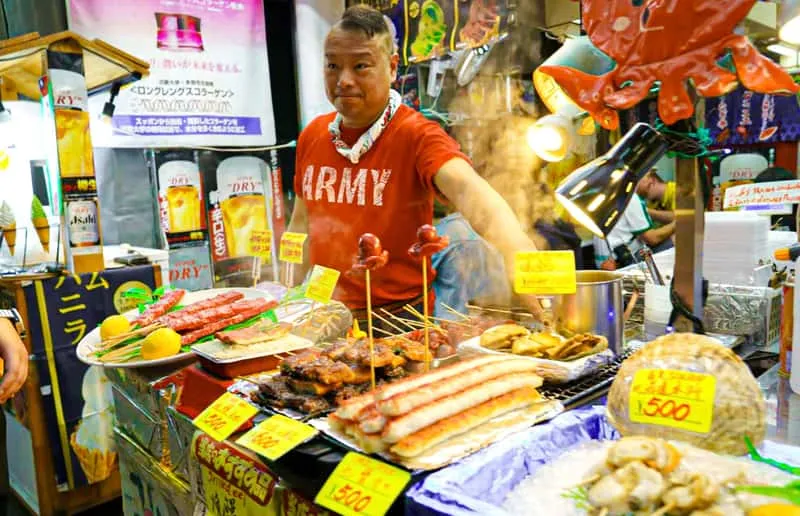
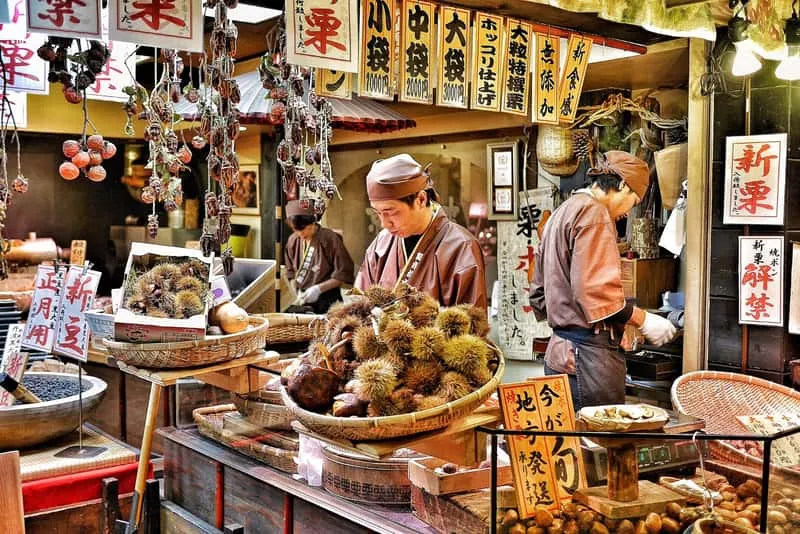
Every Kyoto food itinerary starts at Nishiki Market — a narrow covered arcade running 390 meters through downtown Kyoto, packed with more than 100 shops and food stalls. This is where the city's restaurants have bought their yuba (tofu skin), tsukemono pickles and seasonal vegetables for centuries, and where a good local guide turns a crowded walk into a tasting menu.
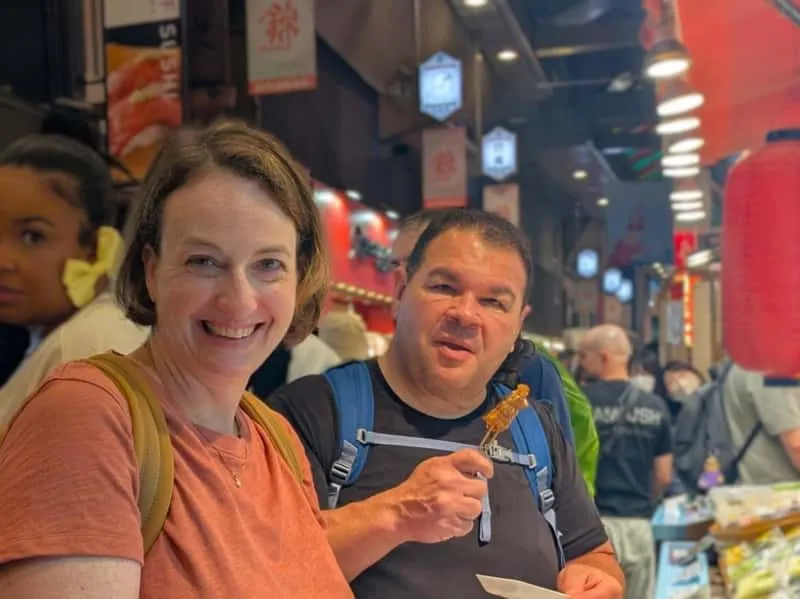
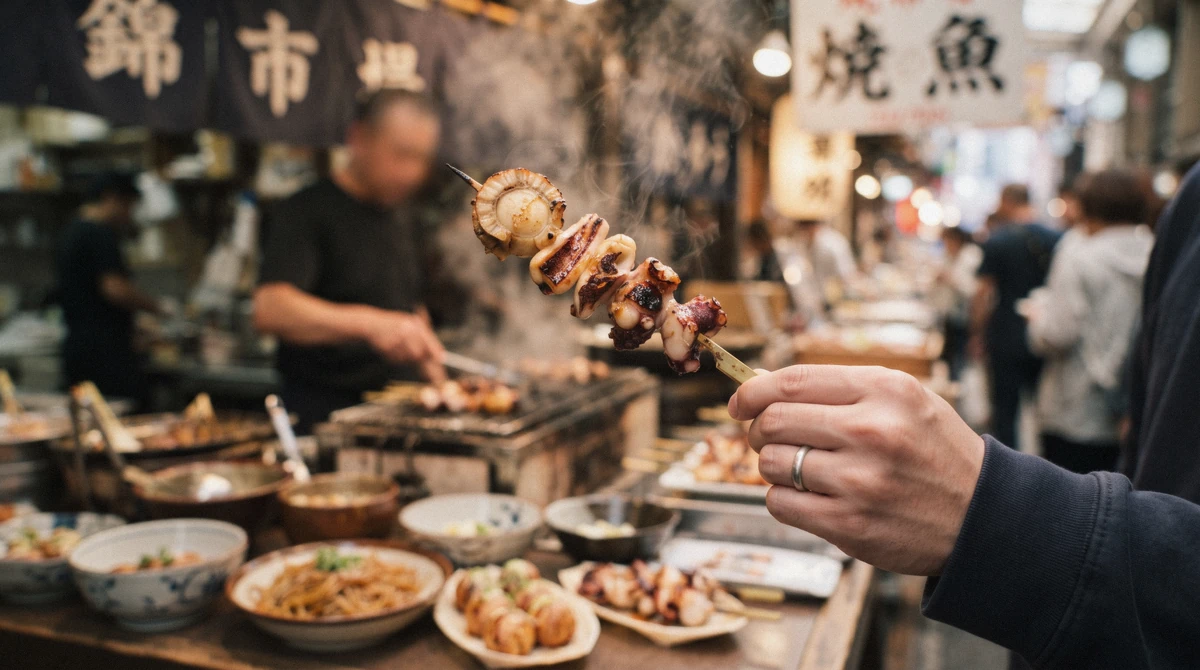
On a guided market tour you'll sample local specialties you would likely walk past on your own: sesame-dusted mochi, dashi-soaked tamagoyaki, skewers of seared wagyu, and the market's famously photogenic baby-octopus takoyaki candied with a quail egg inside. Guides also handle the etiquette — where you're allowed to stand and eat, which stalls welcome photos, and which family businesses have been trading since the Edo period.
The market sits beside the Teramachi shopping arcade and the tiny Nishiki Tenmangu shrine, so most walking tours weave all three together in one loop.
Gion and Pontocho — Izakaya Dining in the Geisha District
After dark the eating moves east across the river to Gion, Kyoto's most famous geisha district, and to Pontocho, a single lantern-lit alley squeezed between the Kamo River and Kiyamachi Street. Evening food tours here are structured like a progressive dinner: an izakaya round of karaage, tempura and sashimi in Gion, a stroll past the tea houses of Gion Shirakawa, then a final course at a hidden Pontocho counter.
The two big evening tours each serve up to 13 dishes across several stops, paired with local sake from Fushimi. Between courses, guides fill in the neighborhood's stories — how maiko train, what the wooden machiya facades hide, and why Yasaka Shrine glows at the end of Shijo Street.
These night walks are the tours worth booking first: they run small groups, and the best-reviewed of them carries far more reviews than any other food walk on this page.
Street Food vs Sit-Down Tastings — What You'll Actually Eat
"Food tour" covers four very different formats in Kyoto, and picking the right one matters more than picking the cheapest. Market tours are grazing walks — many small street food bites, eaten standing or perched on a stool. Evening tours are closer to a guided dinner, with seated izakaya courses and sake. Depachika tours browse the gourmet food halls under the department stores. And the replica food workshop doesn't feed you at all — you sculpt the famous wax dishes instead.
Use the table below to match format to appetite. A common two-day plan: Nishiki Market walking tour on day one at lunch, Gion evening tour on day two for dinner.
Format
Typical dishes
Comes with
Best for
Market grazing walk
Yuba, tsukemono, tamagoyaki, mochi, matcha sweets
7+ tastings while standing
Daytime, first-timers, families
Evening izakaya crawl
Karaage, tempura, sashimi, takoyaki, dessert
Up to 13 dishes + sake, seated courses
Dinner, couples, solo travelers
Depachika food hall
Wagashi, bento, gourmet deli, seasonal sweets
Samples + guided browsing
Short stays, rainy days
Replica food workshop
Wax shrimp and pumpkin tempura (display only)
Your own replica to take home
Kids, souvenir hunters
Sake, Matcha and Green Tea — What You'll Drink Along the Way
Kyoto drinks as well as it eats. The evening tours pour sake brewed in Fushimi, the southern district whose soft spring water made it one of Japan's three great brewing regions; expect two or three small pours matched to the food rather than a formal tasting flight.
By day, the drink is tea. Uji, just south of the city, grows Japan's most prestigious matcha, and market tours usually work in a matcha sweet, a green tea soft-serve, or a cup brewed properly at a shop that has sold leaves for a century. If you drink neither alcohol nor caffeine, every stop has an easy swap — guides handle it without fuss.
Depachika Food Halls — the Basement Gourmet Secret
Under Kyoto's department stores around Shijo-Karasuma runs a second, glossier food city: the depachika. These basement food halls sell museum-grade wagashi sweets, glistening bento, French-Japanese pâtisserie and gift boxes wrapped like jewellery — it's where locals buy food when they want to impress someone.
The Nishiki-plus-depachika tour pairs the old market with one of these halls in two hours, which makes it the best pick if you're short on time — it also takes same-day bookings with multiple start times, rare among Kyoto's food experiences.
Best Time for a Kyoto Food Tour — Month by Month
Food tours run every month. The Nishiki arcade is roofed, and the izakaya are warmest in winter. The chart shows the Japan Meteorological Agency's 1991-2020 average daytime highs for Kyoto and what each season puts on the plate.
48°
JanuaryJan
50°
FebruaryFeb
57°
MarchMar
68°
AprilApr
77°
MayMay
83°
JuneJun
90°
JulyJul
93°
AugustAug
85°
SeptemberSep
74°
OctoberOct
63°
NovemberNov
53°
DecemberDec
Tours run daily — the market arcade is covered, rain or shine
Hamo eel and riverside kawadoko dining; Gion Matsuri street food in July
Yudofu hot pot and winter crab — izakaya season at its best
Spring (March–April) brings sakura wagashi and the biggest crowds; autumn (October–November) means matsutake mushrooms and momiji-viewing dinners. Book evening tours several days ahead in both.
Kyoto's Food Districts at a Glance
Everything the tours cover sits in one walkable pocket of downtown Kyoto — the market and depachika west of the Kamo River, the geisha districts and Yasaka Shrine just east of it.
Markets & tour neighborhoods
Shrines & landmarks on the routes
Planning Your Kyoto Food Tour
How Much Do Kyoto Food Tours Cost?
Expect a tour price between $22 and $70 per person. The one-hour replica food workshop is the budget entry at $22; the two-hour Nishiki-and-depachika walk runs $41; the 90-minute and three-hour market tours sit at $50–66; and the two full evening tours through Gion and Pontocho top out at $70 with sake and up to 13 dishes included.
A useful benchmark: the evening tours replace dinner entirely, and 13 izakaya dishes with drinks ordered on your own in Gion would cost well over $70 — before you factor in knowing where to go. Market tours are lighter, roughly a generous lunch, so plan meals around the duration and tasting count of whichever tour you book.
Dietary Restrictions, Vegetarians and Picky Eaters
Kyoto is one of Japan's easier cities for dietary restrictions — its Buddhist temple-cuisine heritage means tofu, yuba and seasonal vegetable dishes (obanzai) are everywhere, not an afterthought. Market tours can usually swap seafood bites for vegetarian ones if you flag it when booking; the evening izakaya menus lean on fish and chicken, so vegetarians should message the operator before reserving.
Allergies are handled the same way: note them at checkout and confirm with the guide at the meeting point. Guides taste-test these routes constantly and know exactly what's in each dish — a real advantage over pointing at menus solo.
What to Bring — and What to Skip
Food tours are walking tours: routes cover two to three kilometers of arcades, alleys and shrine steps at an easy pace, with standing tastings between seated stops.
Comfortable shoes — cobblestones in Gion, market flagstones at Nishiki
An empty-ish stomach: skip the big lunch before an evening tour
Cash in small notes for extra buys — some market stalls don't take cards
A reusable water bottle; summer tours in July and August get hot
Your booking confirmation and the meeting point pinned offline
Skip perfume — it clashes with tastings — and skip the selfie stick in the crowded arcade
How to Eat Like a Local — Market and Izakaya Etiquette
Nishiki Market's cardinal rule: no walking while eating. Buy the bite, step to the side of the stall or the marked eating corner, finish it, hand back the skewer, then move on — vendors will gently wave you back if you drift. Photos are welcome at most stalls, but ask before shooting the staff or the knife counters.
At the izakaya stops, dishes arrive for the table, shoes sometimes come off at the door, and pouring your neighbor's sake before your own is the small ritual that earns smiles. None of it is a test — guides model everything, and the whole point of a guided japanese food experience is that the culinary etiquette becomes muscle memory by the second stop.
Signature Dishes You'll Taste on a Kyoto Food Tour
The exact menu varies by tour and season, but these Kyoto staples appear across the market walks and evening izakaya routes — this is what to expect on your plate.
Yuba (tofu skin)
Nishiki Market stalls — the classic Kyoto specialty
Tsukemono pickles
Century-old pickle shops inside the market
Sashimi & seared fish
Seated izakaya courses in Gion and Pontocho
Tempura
Evening tours — and in wax form at the workshop
Kyoto-style takoyaki
Street stalls on the evening eatery crawl
Wagashi & matcha sweets
Tea shops, market stands and depachika counters
Fushimi sake
Poured with dinner courses on the night tours
Karaage fried chicken
Izakaya plates on the Gion & Pontocho route
Menus follow Kyoto's calendar — summer swaps in hamo eel, autumn brings matsutake mushroom dishes, and winter means yudofu hot pot.
What Travelers Say About These Kyoto Food Tours
★★★★★★★★★★
We loved our food tour. Sara was excellent company and the food was superb — so much variety, and we tried things we otherwise would not have ordered. The stingray fin was a particular favourite. A highlight of our trip!
Nina · Hong Kong
★★★★★★★★★★
It was a perfect guided visit — it felt like a private tour. Kazu is a very friendly and enthusiastic guide. What a fantastic way to get to know Kyoto! We really appreciate your expertise.
Dirk · Belgium
★★★★★★★★★★
Our tour was fantastic. Our family of four (with teenagers) enjoyed the food and drinks. Our guide was friendly and knowledgeable about Kyoto, the history and the food we ate — and had wonderful recommendations on other places to eat and shop.
Abigail · United States
★★★★★★★★★★
Teppei made us feel really welcome. He gave us a really exciting tour through the market and we got to try lots of tasty foods, which he expertly tailored to our individual tastes. Very well organised — would highly recommend.
Patrick · United Kingdom
Why Book Your Kyoto Food Tour Here
Every Format, One Page
Market grazing walks, 13-dish izakaya evenings, depachika browsing and a wax food workshop — compared side by side with real prices, ratings and durations so you can match a tour to your appetite and schedule.
Local Guides, Real Eateries
Every tour is led by an English-speaking Kyoto local and stops at stalls and izakaya that residents actually use — including family businesses that have traded in Nishiki Market for generations.
Small Groups Only
These aren't flag-following bus crowds. Evening tours seat a handful of guests around real izakaya tables, and market walks stay small enough to hear the guide over the arcade bustle.
Book Now, Decide Later
Every tour offers free cancellation up to 24 hours before departure and instant confirmation — reserve your spot for cherry-blossom week now and keep your plans flexible.
Prices Checked, Not Copied
Every fare, rating and review count on this page was re-read from the operator's own listing in August 2026, and the comparison table shows what each price actually includes rather than a headline figure.
The Awkward Details Too
Which walk cannot handle allergies, which meets where, which one feeds you nothing at all. We print the parts a booking page buries, because they are usually what decides your choice.
Kyoto Food Tours — Frequently Asked Questions
Are food tours in Kyoto worth it?
For most visitors, yes — and more so in Kyoto than in many cities. The best food here hides behind noren curtains, unmarked doors and market stalls with no English signage, and a guide compresses days of trial and error into one afternoon or evening. Every option is compared side by side in our roundup of the best food tours in Kyoto, from the $22 replica food workshop to $70 evening feasts. We work through the value question in detail, including what the same eating costs on your own, in are Kyoto food tours worth it.
How much does a Kyoto food tour cost?
Between $22 and $70 per person. The replica food workshop is $22, the Nishiki-and-depachika walk is $41, market tastings run $50–66 — including the 90-minute local-foodie walk — and the two evening tours through Gion and Pontocho cost $70 with up to 13 dishes and sake included. The comparison table shows what each price actually buys. The full price breakdown covers what each fare includes, why the dollar figure moves, and the other Kyoto costs around a meal.
What food is Kyoto famous for?
Kyoto's signatures are refined rather than loud: yuba (tofu skin), tsukemono pickles, obanzai home-style vegetable dishes, kaiseki multi-course dining, Uji matcha and delicate wagashi sweets — though the city also hides a fierce ramen scene of its own around Kyoto Station and Ichijoji. On tour you'll also meet the city's takes on izakaya classics — tempura, sashimi and Kyoto-style takoyaki — plus sake brewed in Fushimi. Each dish, what it is and when it is in season, is set out in what to eat in Kyoto.
Should I do a market tour by day or a Gion food tour at night?
Different meals, different moods: Nishiki Market tours are daytime grazing among 100+ stalls, while the Gion and Pontocho evening walk is a full progressive dinner with sake in the lantern-lit geisha district. Big appetites and photographers tend to prefer the evening; families and first-timers often start with a market walk. Many visitors do both on separate days.
Do Kyoto food tours work for vegetarians or food allergies?
Usually, with notice. Kyoto's temple-cuisine tradition means excellent tofu, yuba and vegetable dishes are everywhere, and market tours swap seafood bites readily. The izakaya-based evening menus lean on fish and chicken, so vegetarians should message the operator after booking. Flag allergies at checkout and again at the meeting point. Because dashi is made with dried fish and turns up in vegetable dishes too, read vegetarian and halal food in Kyoto before you book.
How many dishes do you actually get on a Kyoto food tour?
The evening tours serve up to 13 dishes across three or four stops — genuinely dinner-sized; the Gion night food tour spreads them over four eateries. Market tours include roughly 7 tastings, sized as generous bites rather than courses. If you want to arrive hungry and leave full, pick a 13-dish evening tour and skip lunch beforehand.
Do I need to book Kyoto food tours in advance?
Evening tours, yes — they run small groups and sell out days ahead year-round, and further ahead during cherry blossom (late March–early April) and autumn leaves (November). Market tours are easier, and the depachika walk even takes same-day bookings. All tours here confirm instantly and cancel free up to 24 hours before, so booking early costs nothing.
Where do the tours meet?
All of them meet in central Kyoto, within a short walk of the Shijo subway and Hankyu stations — market tours near Nishiki Market or Nishiki Tenmangu Shrine, evening tours on the Gion side near Yasaka Shrine. Exact meeting points come with your booking confirmation, pinned on a map.
What time does Nishiki Market open and close?
There is no market-wide opening time. Each shop in the 390-metre arcade sets its own hours, though most trade roughly from 9am to 6pm, and there is no single closing day either: many shops shut on Wednesdays and many close from 1 to 3 January. Hours, the eating rule and a stall-by-stall plan are in our Nishiki Market guide, and the guided market walk removes the guesswork entirely.
From a $22 wax-tempura workshop to a 13-dish izakaya night in the geisha district — whichever way you want to eat Kyoto, there's a tour ready for your dates.
Compare every option and book with free cancellation.
 from $70
Gion Classic 4.8★
from $70
Gion Classic 4.8★